New Jersey tightens the rules on data centers,
and gives towns a negotiating framework.
Governor Mikie Sherrill signed a law requiring data centers to report their energy and water use to the Board of Public Utilities, and the state sent municipalities a framework for negotiating community benefits agreements.
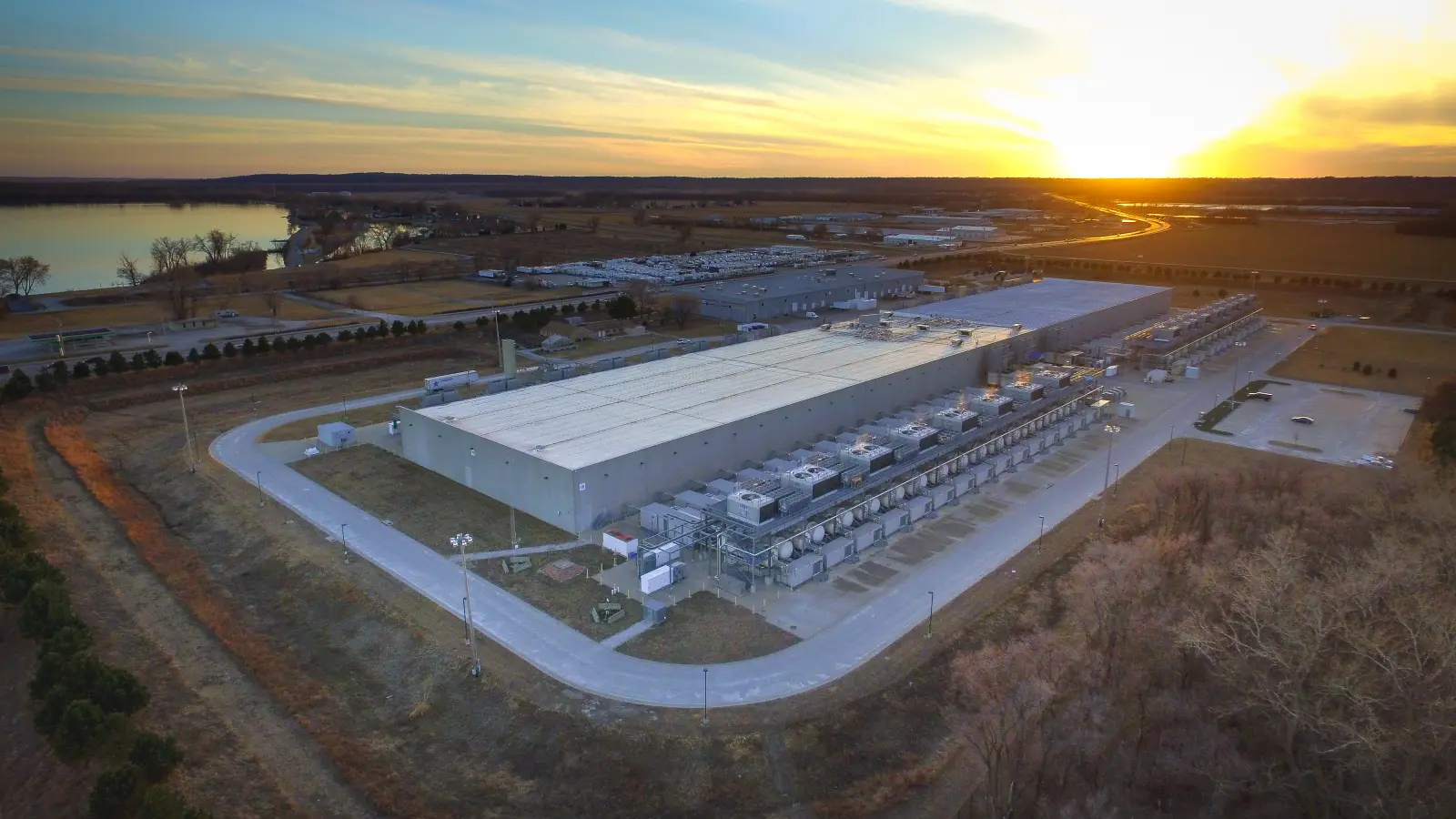
- Data center owners and operators now report to the Board of Public Utilities twice a year on total energy use, the share going to cooling and IT equipment, peak daily water use, water sources and backup power
- The Department of Community Affairs sent municipalities a statewide framework for negotiating community benefits agreements, covering local infrastructure, emergency response, schools, workforce programs and state labor standards
- Earlier legislation put data centers in their own utility rate class and requires operators to bring their own clean energy. A separate law returned $250 million in unused tax credits to the Aspire and Emerge programs
Reported by Real Estate NJ. Summary in our words.
New Jersey has added two things to the way data centers get built here. The first is disclosure. Under a law signed on August 27, 2026, owners and operators file reports with the state Board of Public Utilities twice a year covering total energy consumption, how much of it goes to cooling and to the computing equipment itself, peak daily water use, where that water comes from, and what they have for on-site and backup power.
The second is negotiating position. The Department of Community Affairs sent municipalities a statewide framework for community benefits agreements, the deals a town strikes with a developer alongside the approval itself. The framework walks through evaluating the load a project puts on local infrastructure, working out emergency response and infrastructure needs, and putting real investments on the table: public infrastructure work, blight remediation, schools, workforce development programs. It also sets out state labor standards, including prevailing wage and project labor agreement requirements. The Economic Development Authority has opened an online hub for towns that want help, and the Board of Public Utilities and the Department of Environmental Protection have each stood up technical assistance teams.
Both sit on top of legislation from July 2026 that requires data center operators to bring their own clean energy and puts them in a separate utility rate class, so their demand is billed apart from everyone else's. On the same day, the governor signed a law defunding a tax credit program for data centers and artificial intelligence projects that had been created last year with $500 million drawn from the Aspire and Emerge programs. Half of that had already gone to a single project in Kenilworth. The remaining $250 million goes back to the programs it came from.
A town weighing a data center now has a written framework and a set of numbers to ask for. The governor first promised these guardrails in late May, as a fast-growing number of New Jersey towns looked at banning new facilities outright.
Our take
The framework the state sent towns is meant to improve their negotiating position, and the reporting law puts a data center's energy and water use on the record. If you own near a proposed site, those are what your council has to work with.
Watching a proposal in your town? Let's talk.
Related: Buyer's Agent in South Jersey Selling Your Home in South Jersey
Want our South Jersey news in your Google results?
Add The JK Realty Group as a preferred source on GoogleState rules and guidance can change, and a community benefits agreement is negotiated project by project. General information, not advice about any specific property. The JK Realty Group, brokered with OMNI Real Estate Professionals. Equal Housing Opportunity. See our Terms of Use for how we source and credit these posts.
Related Posts
The Atlantic City Expressway is getting a third lane
From the South Jersey Transportation Authority project website
Washington Township, NJ · photo Famartin, CC BY-SA 4.0