
What an escrow holdback does
and who actually arranges one.
A holdback holds money at closing until the seller finishes something agreed, so the closing happens on time. It is negotiated by the attorneys rather than printed in the contract.
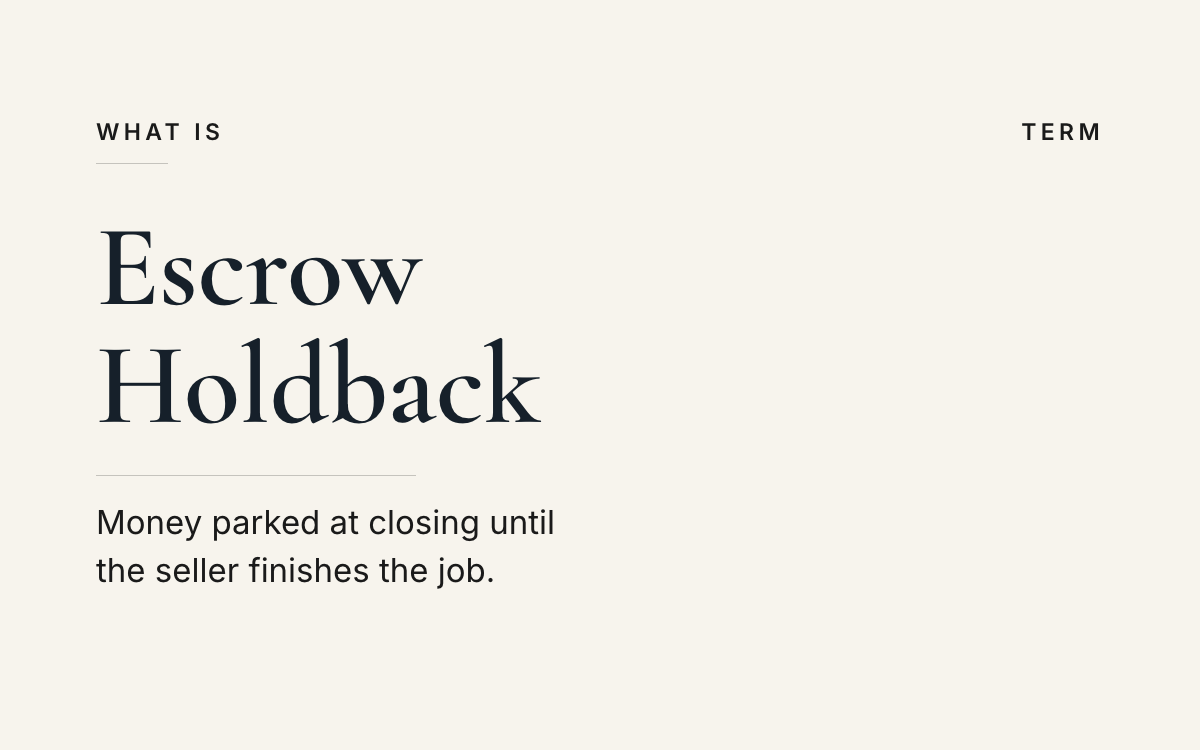
- An escrow holdback is money held back at closing until the seller finishes something already agreed, like a repair or a final utility bill
- It lets the closing happen on schedule rather than waiting on the unfinished item
- It is an arrangement the attorneys negotiate rather than language printed in the contract, and the new construction addendum has the buyer waive a holdback
Term. Written by The JK Realty Group.
An escrow holdback is money kept back at the closing table until the seller finishes something both sides already agreed would be done. Common examples include a repair that could not be completed in time, a final utility bill nobody has yet, or a township inspection that did not get scheduled. The money sits with a third party rather than going to the seller, and it is released once the thing is finished.
The reason it exists is timing. Closings get built around things that are hard to move: a mortgage rate lock, movers, a lease ending, a second closing on the other side. When one small item is outstanding, the choice is either to move all of that or to close and handle the item separately. A holdback is the second option, and it does it without either side taking a promise on trust.
The part worth knowing is who arranges it. A holdback is not standard printed language in the contract you signed. It is negotiated between the attorneys, and the terms, what triggers release, who holds the money, what happens if the work is never done, are written for that specific situation. On new construction, the standard addendum has the buyer waive a holdback, which is its own reason to raise the question early rather than at the table.
Say a water heater has been replaced in a Mantua home but the township could not inspect before a Friday closing. Rather than move the closing, the attorneys agree that a sum is held until the inspection passes. That is an illustration of the shape, not a template; the figure and the terms in any real deal are whatever the attorneys negotiate.
What to ask, and who answers it: your attorney is the one who can tell you whether a holdback fits your situation, negotiate the terms, and hold or arrange holding the funds. Your agent can tell you how often this comes up and what it does to a closing week.
Our take
One unfinished repair does not have to push back a closing date your movers and mortgage rate are set around. If you are a week from closing with a repair still open, a holdback is a question for your attorney.
A week out with something unfinished? Let's talk.
Related: Buyer's Agent in South Jersey Selling Your Home in South Jersey
Want our South Jersey news in your Google results?
Add The JK Realty Group as a preferred source on GoogleThe example is illustrative. An escrow holdback is negotiated between the attorneys and the terms are written for the situation; this is general information rather than legal advice. General information, not advice about any specific property. The JK Realty Group, brokered with OMNI Real Estate Professionals. Equal Housing Opportunity. See our Terms of Use for how we source and credit these posts.
Related Posts
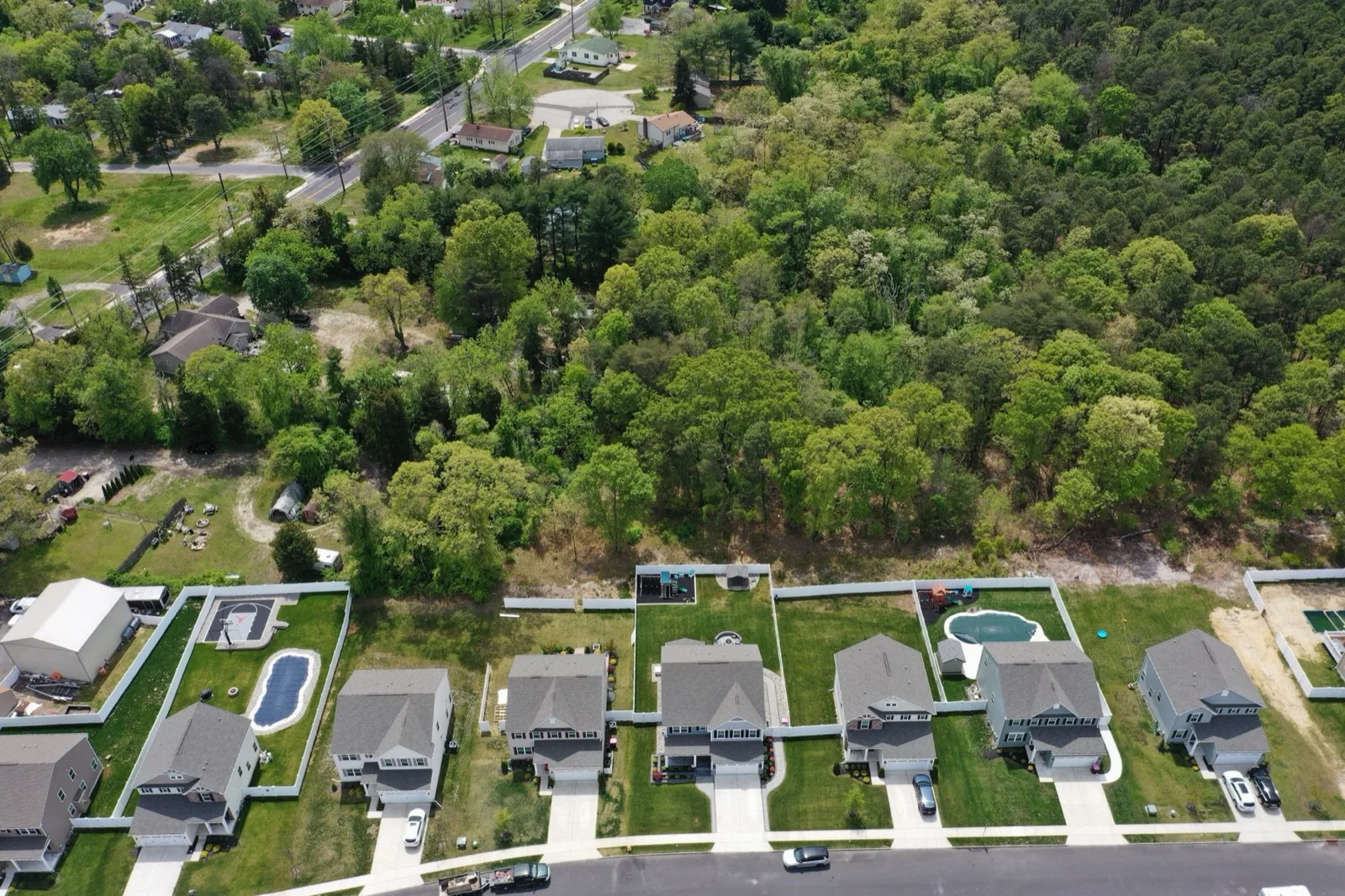
Paparone is selling new townhomes in Winslow Township
From the Paparone New Homes community page