A down payment is not the number
a buyer brings to closing.
The down payment is the part of the price paid out of pocket rather than borrowed. The figure that has to be in the account on closing day is cash to close, and it is larger.

- The down payment is the part of the price a buyer pays out of pocket instead of borrowing, and it is only one piece of what is due at the table
- Cash to close is the larger figure, because it adds closing costs and prepaid items on top of the down payment
- What a buyer puts down affects which loan program fits, the monthly payment, and whether mortgage insurance applies
Explainer. Written by The JK Realty Group.
A down payment is the part of a purchase price a buyer pays out of their own pocket instead of borrowing. If a house is bought with a mortgage, the loan covers the rest. That is the whole definition, and it gets described as a percentage, which is where the confusion starts.
The number a buyer needs is cash to close. That figure takes the down payment and adds the closing costs and the prepaid items on top, which is why the amount the title company asks for on closing day is larger than the number people have been saving toward. Prepaid items are the things funded ahead rather than owed later, and they typically include the first stretch of homeowners insurance and the taxes and insurance that go into an escrow account at settlement. What appears varies by deal, which is exactly why the estimate has to come from the lender working your file rather than from a rule of thumb.
The other thing worth knowing is that the size of the down payment changes more than the loan balance. It affects which program a buyer qualifies for, and common programs allow well under twenty percent, so twenty is a benchmark rather than a requirement. It affects the monthly payment, because a smaller balance carries a smaller payment at the same rate. And it affects whether mortgage insurance applies, which is its own line in the payment and follows its own rules about when it can come off. Putting less down changes the tradeoffs, and which fits depends on numbers that are specific to the buyer.
In practice the sequence that works is to get pre-approved first and ask two questions while you are there. Ask what the down payment would be at the price range you are shopping, and ask for an estimate of cash to close at that same price. Both figures come from the lender who will write the loan.
What to ask, and who answers it: your lender is the one who tells you the current minimums for each program, what mortgage insurance would cost on your file, and what cash to close comes to at a given price. Your agent can tell you what sellers in a particular South Jersey town have been seeing on offers and what matters there beyond the deposit. A licensed New Jersey attorney is who you ask about what a contract term means for you.
Our take
The percentage is the number people save toward, and cash to close is the number the title company actually asks for. If you are buying in South Jersey, get both from your lender before you start looking at houses.
Saving toward a purchase in South Jersey? Let's talk.
Related: Buyer's Agent in South Jersey Selling Your Home in South Jersey
Want our South Jersey news in your Google results?
Add The JK Realty Group as a preferred source on GoogleGeneral information. Program minimums, mortgage insurance rules and closing figures change and vary by lender and by file. Your own lender has the numbers for your situation. General information, not advice about any specific property. The JK Realty Group, brokered with OMNI Real Estate Professionals. Equal Housing Opportunity. See our Terms of Use for how we source and credit these posts.
Related Posts
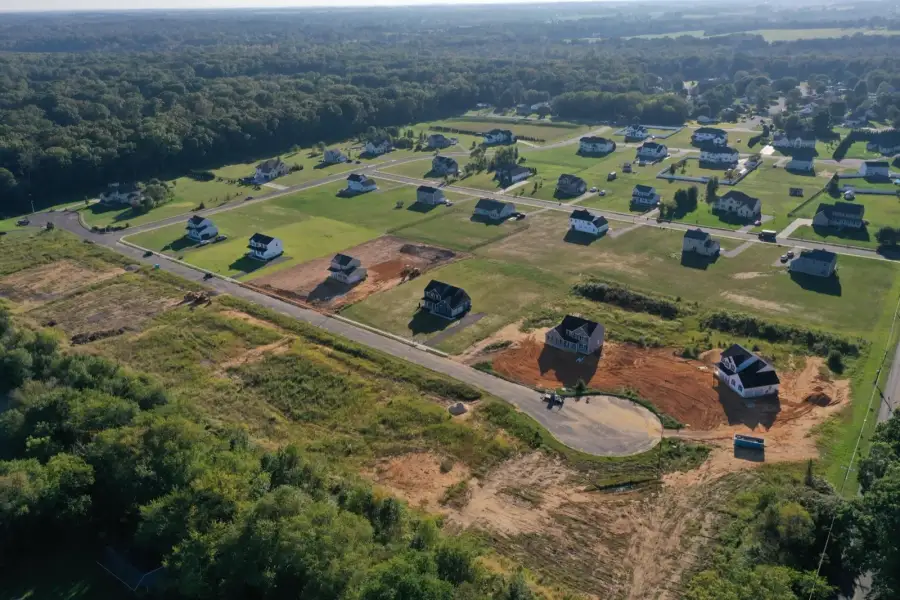
Ryan Homes has new townhomes for sale in Forked River
From the Ryan Homes community page
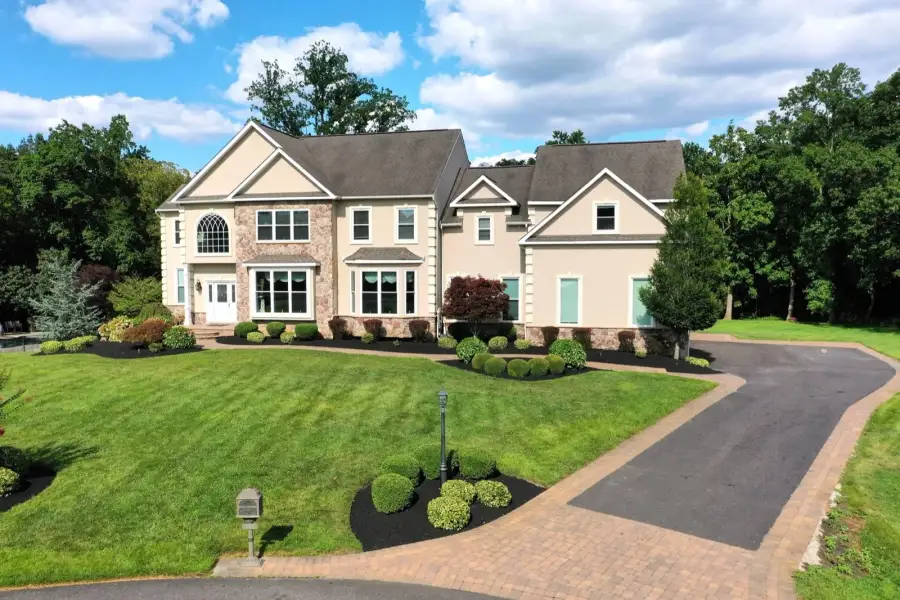
New Jersey homes on the market, September 2026
Reported by New Jersey REALTORS®